
Dead of Night is a criminally overlooked horror outing from acclaimed filmmaker Bob Clark.
Bob Clark’s Dead of Night is a powerful, tragically underrated zombie movie unlike any other
Dead of Night is pretty much an evergreen horror movie. There are always going to be wars and there are always going to be mothers mourning the deaths of their sons. And the core message of this film will always be relevant — which makes it one of the most tragic and distressing horror movies you’ll ever see.
The film is pretty much director Bob Clark’s other horror masterpiece. Clark — whose filmography is so diverse that his directorial credits include A Christmas Story AND the first two Porky’s movies — will always be remembered as the guy who gave us Black Christmas. And oddly enough, Dead of Night was released in 1974, the very same year as Black Christmas. Alas, while Black Christmas has gone on to become a cult classic and is often cited as one of the most important and influential horror movies ever made, Dead of Night remains a fairly obscure and unsung film to this very day.
And that’s a tragedy in a lot of different ways.
The movie apparently came and went in 1974 with little fanfare or box office business. It was also retitled Deathdream at one point, because every indie horror movie in the ‘70s seemingly had to have at least one alternate title to make things all confusing. Some prints of the movie call it Deathdream, some call it Dead of Night, but from what I’ve seen both films are virtually identical with no major (or minor) changes to be seen. But hey, if I’m wrong, feel free to tell me.

It’s the kind of movie that demands multiple viewings. Indeed, the last time I watched it I soaked up all sorts of things I missed out on or overlooked on the previous viewing. It’s a very intelligent and layered movie with a lot of subtleties in its dialogue that you might easily fail to catch. It’s not so much a movie you watch, per se, as it is something you slowly unwrap.
The movie is very much a guessing game from the outset. It begins with images of the Vietnam War and a young soldier seemingly killed in action. From there, the film shifts stateside and introduces us to his grieving family. It’s your basic “war at home” kind of premise, until one night, there’s a knock at the door and that “killed in action” son isn’t so dead anymore.
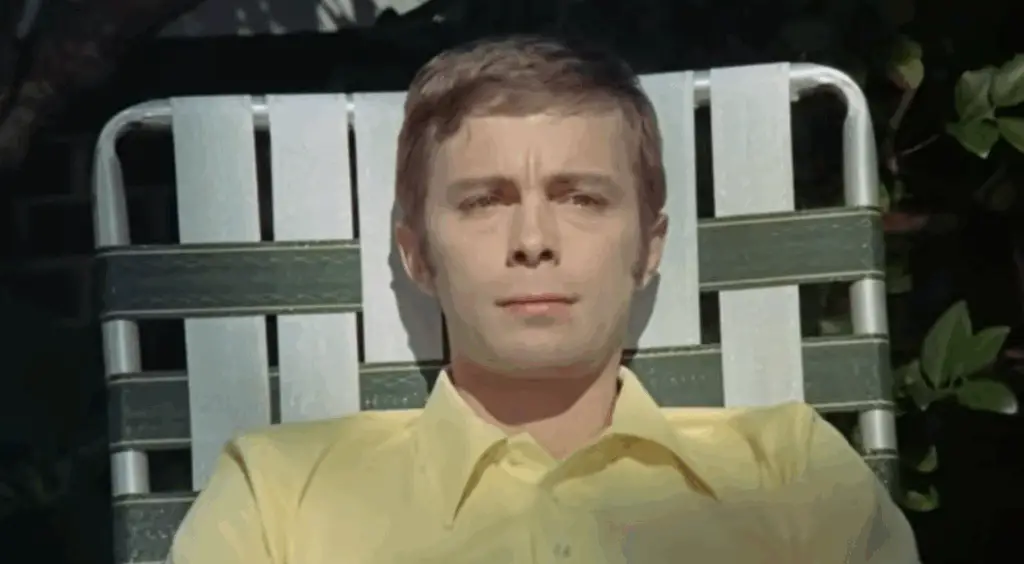
That son, played by Richard Backus, obviously isn’t well. He speaks with an emotionless intonation, he sits deathly still for long intervals and eventually, he starts displaying irrationally violent behavior. It’s a downright brilliant parallel for post-traumatic stress disorder, especially considering the film was made at a time when that wasn’t really a well-known or well-treated psychiatric issue. War does tend to change people, after all, and hardly ever for the better.
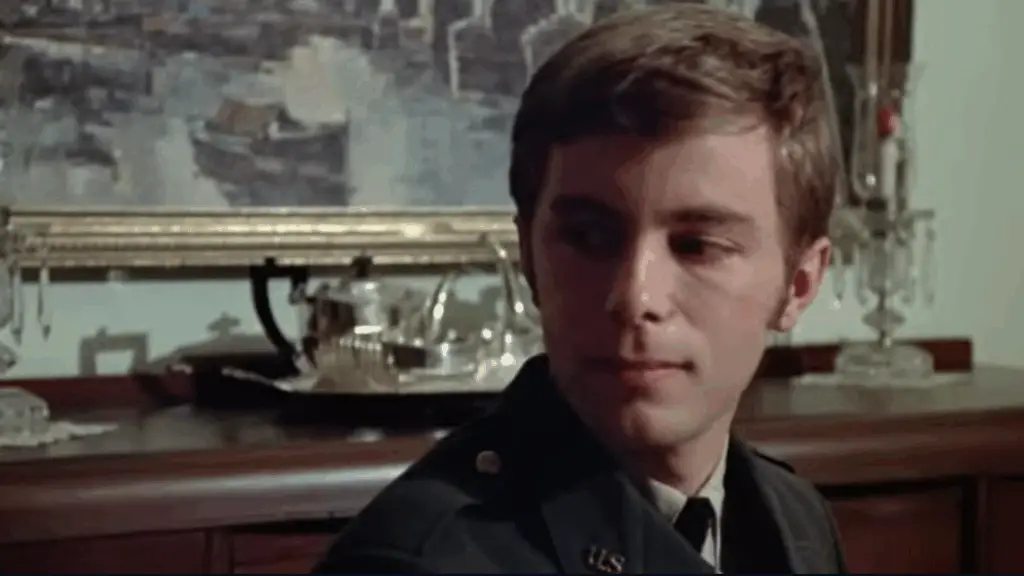
Of course, there’s a big supernatural twist lurking in the shadows. As it turns out, the very same night the supposedly dead son returned home a truck driver was brutally murdered by a mysterious hitchhiker. The family pretty much knows the two things are hardly coincidences, but they WANT to live in denial for a little. Even as more and more evidence emerges that their son isn’t who they thought he was, they shield themselves from the oh so obvious truth. In that, not only is the movie a powerful metaphor for PTSD, it also becomes a thinly veiled parable about substance use disorder (which becomes very clear in one particularly nasty murder scene — if you have an aversion to needles, this movie will trigger you hard.)
Really, the movie belongs to the parent figures, played by John Marley and Lynn Carlin. They have to walk such a thin line between belief and disbelief throughout the film and without them, this movie wouldn’t be even remotely effective as a genuine horror picture. Of the two, Carlin seems the more hesitant to accept the reality before them, while Marley always seems to be an inch or two away from exploding. He knows his son isn’t really his son anymore, but he just can’t force himself to say it out loud. They’re faced with impossible, heartbreaking decisions, one after the other. And you can’t help but feel for them, even when it’s a foregone conclusion that things are going to end badly … very badly.
The final thirty minutes of the movie feel like they wouldn’t (or maybe even shouldn’t) work, but they totally do. Fittingly enough, it ends with a fracas at a drive-in movie theater, with central cast members getting killed out of nowhere and a pretty stellar little chase scene that segues into a final sequence that I wouldn’t dream of spoiling. This movie breaks your heart many times, but nothing will hit you as hard as the final line of the film. I get chills just thinking about it as I type this up.
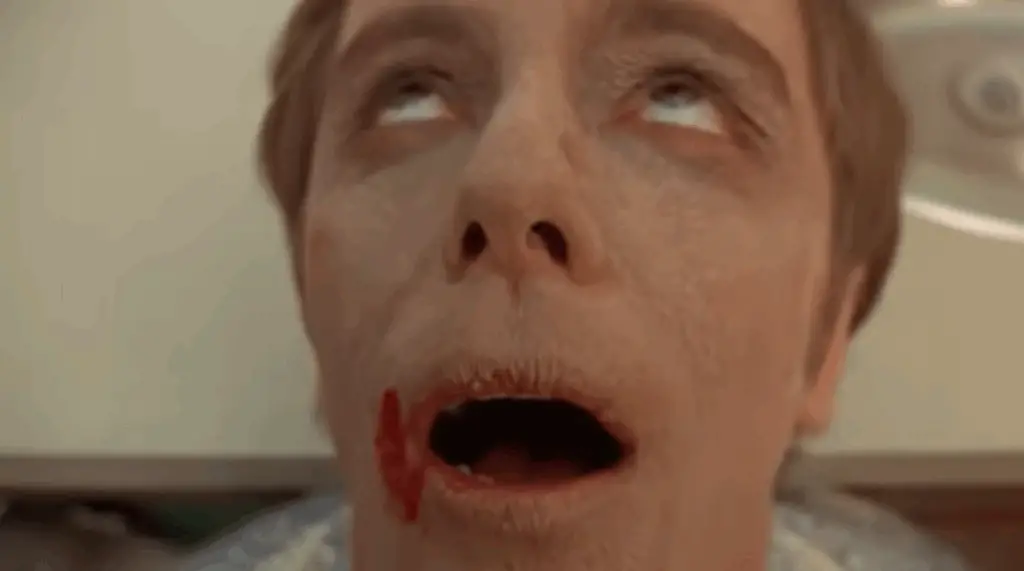
Obviously a lot of movies about PTSD have come out since. There’s even been a few excellent horror films that touch upon the topic, such as 1986’s Combat Shock and Joe Dante’s Masters of Horror feature Homecoming (which might as well be an unofficial remake of this movie, albeit with more tongue in cheek humor.) But this was one of the very first to take the real world terror of the Vietnam War and harness it as the backdrop for more fantastical forms of horror. It’s a film that feels dated in some ways, but the emotions it stirs are hard to deny. It feels like you could remake this movie every generation and only have to change a few lines here and there to make it feel like a product of its time.
In the pantheon of zombie movies this is definitely one of the most underrated from ANY decade. I’m sure some viewers will interpret Dead of Night as more of a vampire movie, but either way it’s a fantastic genre outing that does something fresh and original with a premise that was already played out before the original Dawn of the Dead hit grindhouses.
It’s somber, it’s depressing and it feels eerily familiar to our modern world even if it is a half-century-old film. And it’s the kind of movie that feels more than appropriate for Memorial Day weekend — perhaps too appropriate for some people’s liking.