
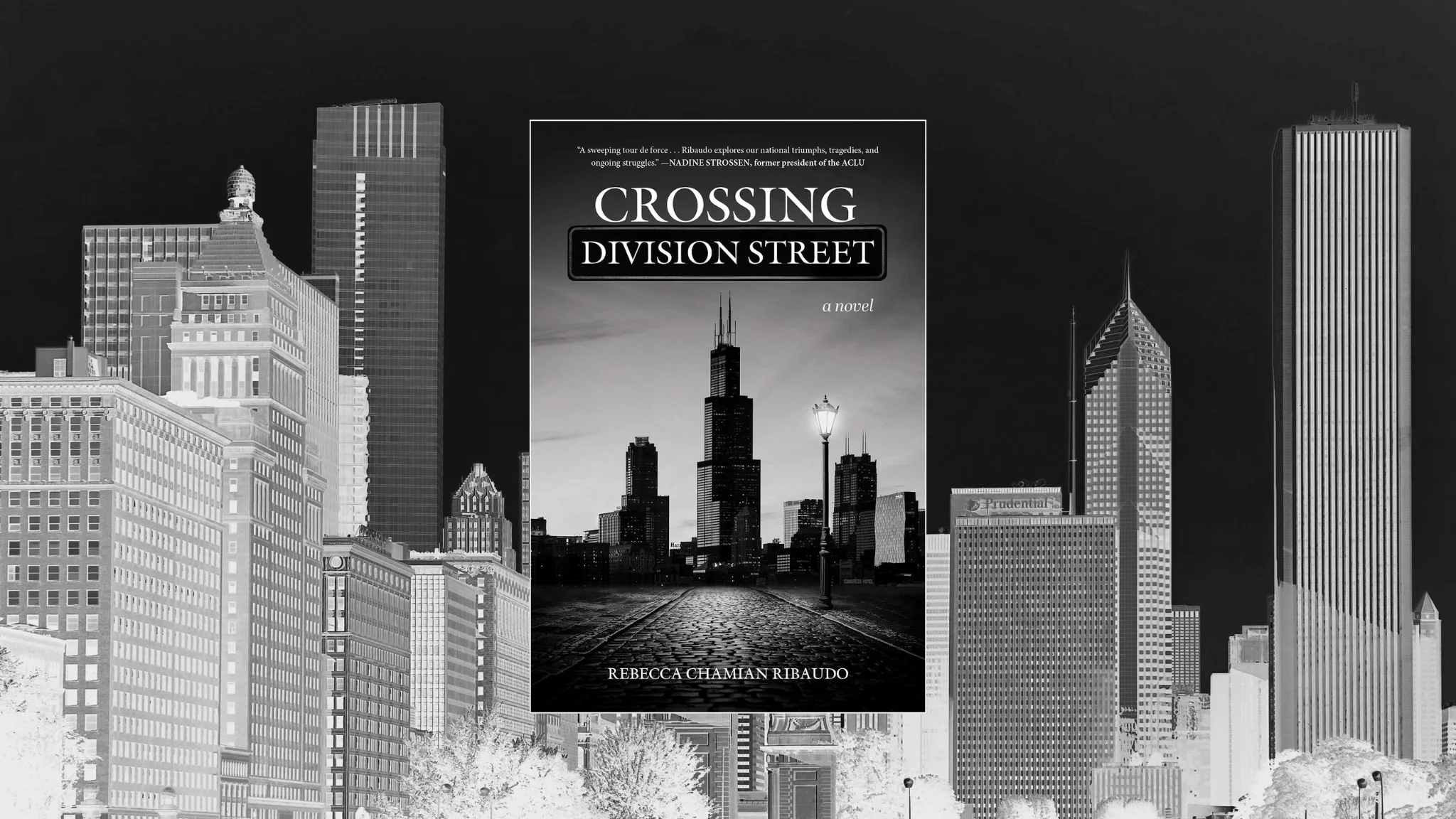
Crossing Division Street by Rebecca Chamian Ribaudo
Ribaudo’s nuanced debut challenges readers to examine their own assumptions about race, belonging and individual choice without pretending those questions can be neatly resolved.
A little girl jumps into a stranger’s car at a red light in Cabrini-Green and begs her to drive. It is a startling way to begin a novel. Who is this child? What is she running from? And what is Sidone Russo, a successful Chicago attorney who never meant to get involved, supposed to do with her?
The girl is eight-year-old Delu, bruised, frightened and adamant that she cannot go home. Sidone keeps driving. From that decision, Rebecca Chamian Ribaudo’s Crossing Division Street gradually opens into a family story that reaches back more than a century and spans four generations.
The Changing Character of One Neighborhood
Much of that history occupies the same few blocks of Chicago. Before Cabrini-Green, the neighborhood was Little Sicily, or Little Hell, home to poor Sicilian immigrants trying to establish themselves in America. Ribaudo follows the area as its population changes and one generation’s struggles give way to another’s.
The novel takes in an enormous amount of history: the 1891 lynching of Sicilians in New Orleans, immigration restrictions, organized crime, Mussolini and World War II, public housing, the Civil Rights Movement, the Nation of Islam and, eventually, the demolition of Cabrini-Green. We see how these events affected the generations that lived through them, with Sidone’s family reflecting the larger changes unfolding around them: Maurizio and Carlotta as Sicilian immigrants struggling for a foothold; Nico and Camila confronting questions of ethnic loyalty and racial identity; Rosa and Salvatore coming of age amid war and the Civil Rights era; and Sidone inheriting the unresolved conflicts of all three generations — only to discover that her family history is more complicated than she knew, making questions of race, identity and belonging hit even closer to home.
Those histories also begin to echo one another. People who have known prejudice can still learn to distrust someone else. A neighborhood that once offered refuge can become fiercely protective of who “should” live there. Again and again, identity provides solidarity until it begins drawing boundaries around who belongs.
Sidone has spent much of her adult life resisting those boundaries. She believes in the individual rather than the group. But Delu makes that philosophy harder to hold at a comfortable distance. When the child’s future reaches the courts, Sidone must decide whether to use parts of her own hidden heritage to strengthen her claim to Delu, or argue for the child on the individualist principles she has spent her adult life defending.
A Novel of Ideas — and Human Consequences
In some ways, Crossing Division Street takes an intellectual approach, much like an Ayn Rand novel: it uses characters, family history and dramatic conflict to put competing ideas about individual freedom and collective identity into argument. But where Rand often drives toward a philosophical position, Ribaudo is more interested in what happens when philosophy meets lived experience — love and family, the weight of history and circumstances that can’t be categorized neatly within any system of thought. Salvatore himself warns Sidone that Rand’s ideas can take her only so far.
The family keeps those ideas from floating free of the story: a vivid cast of flawed, relatable characters whose private choices collide with the larger themes the novel examines. These choices continue to echo long after the circumstances that produced them have changed. Prejudices are inherited. So are loyalties, secrets and attempts to correct what an earlier generation got wrong.
Sidone and Delu’s circumstances become the point where those inherited conflicts finally converge. What begins with one frightened child asking a stranger for help becomes a much harder question: Who gets to decide what that child needs and how much should race, family, religion or community determine the answer?
The novel ends where so much of it began, in Cabrini-Green, as the towers are coming down. New housing is rising, but Ribaudo does not turn redevelopment into an easy symbol of progress. Violence remains close at hand, as does the impulse to divide people into those who belong and those who do not.
That unsettled ending feels right for Crossing Division Street. Ribaudo’s nuanced debut challenges readers to examine their own assumptions about race, belonging and individual choice without pretending those questions can be neatly resolved. She approaches those themes from multiple angles and across generations, allowing characters to contradict themselves, revise their beliefs and expose the limits of the ideas they hold. The novel’s deepest concern is not simply the identities we inherit, but what we do with them once they become ours.
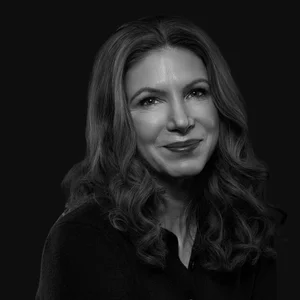 Rebecca’s debut novel combines her love for Chicago with a deep interest in history, the American experiment, character-driven stories, and the human condition. Like many authors, she wrote her first novel in the invisible hours around work and children.
Rebecca spent her career developing brands and writing for a range of institutions, from Fortune 500s to nonprofits. She is now working on her second novel while leading and advising initiatives supporting freedom of expression, civil liberties, intellectual freedom, women’s freedoms globally and alumni communities. She graduated from Harvard College with a concentration in Social Studies.
Born and raised in Massachusetts, Rebecca has called the city of Chicago home for more than thirty years. She and her husband live downtown and have two daughters.
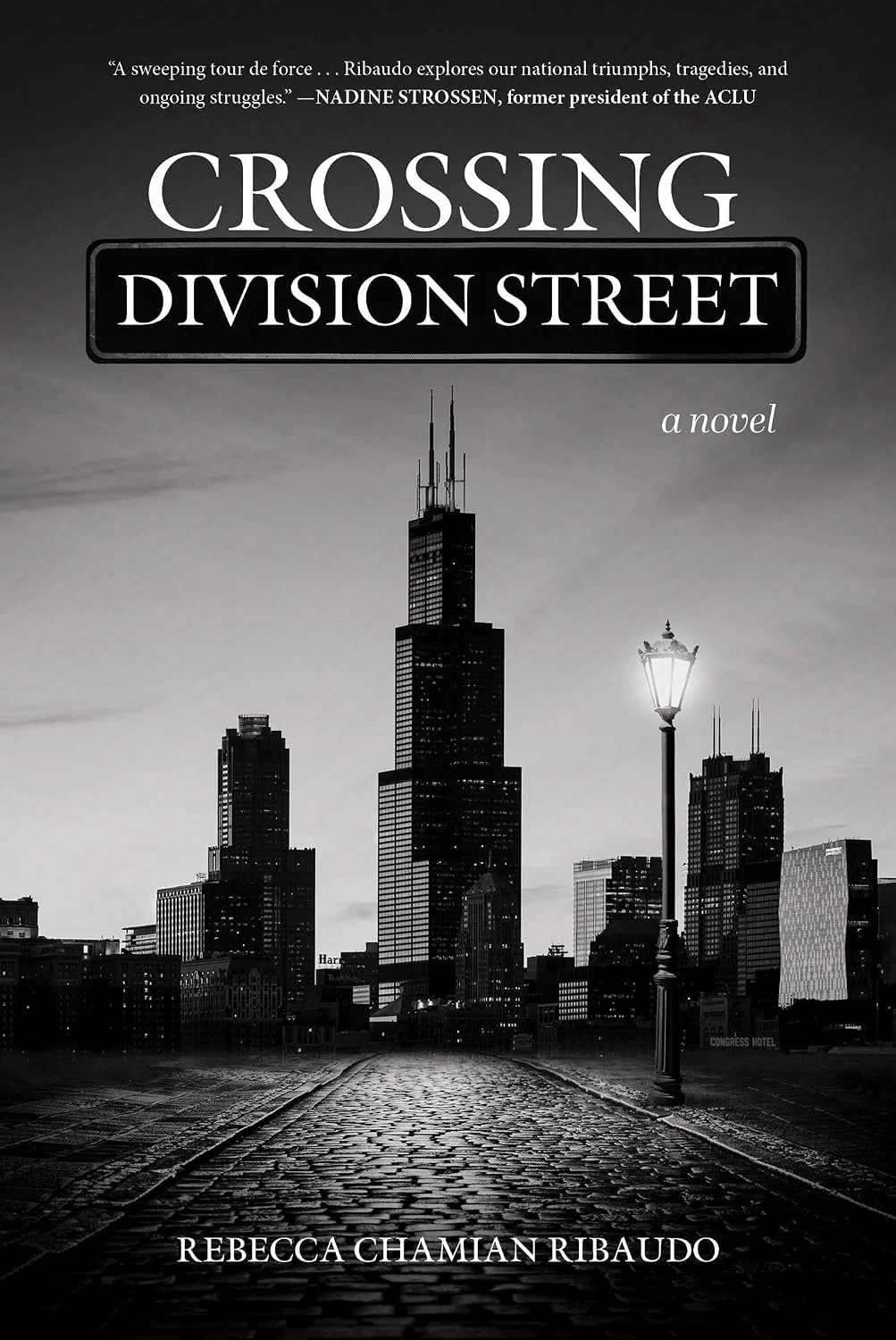
Publish Date: September 29, 2026
Genre: Fiction, Historical Fiction
Author: Rebecca Chamian Ribaudo
Page Count: 504 pages
Publisher: Skyhorse
ISBN: 9781510788114